Global Flavors Japanese Teriyaki Salmon
Highlighted under: World Plates
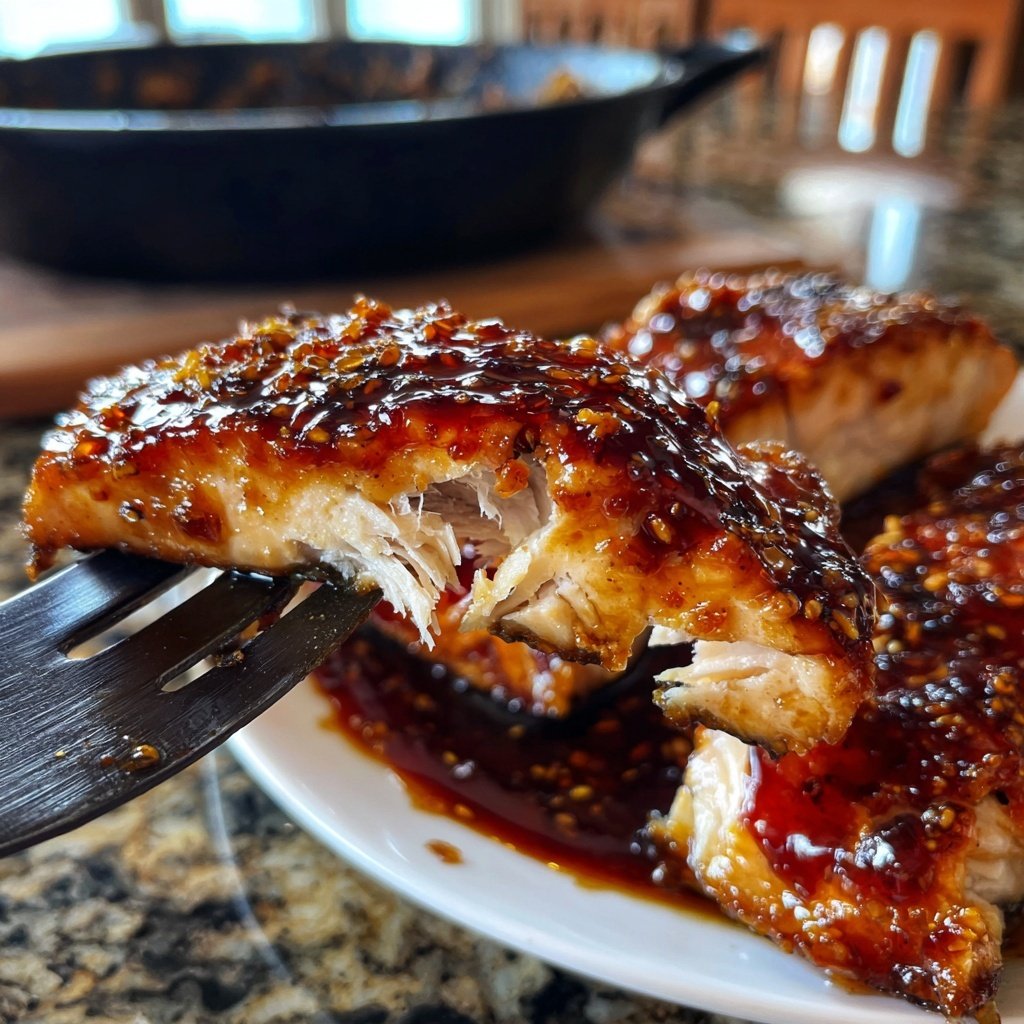
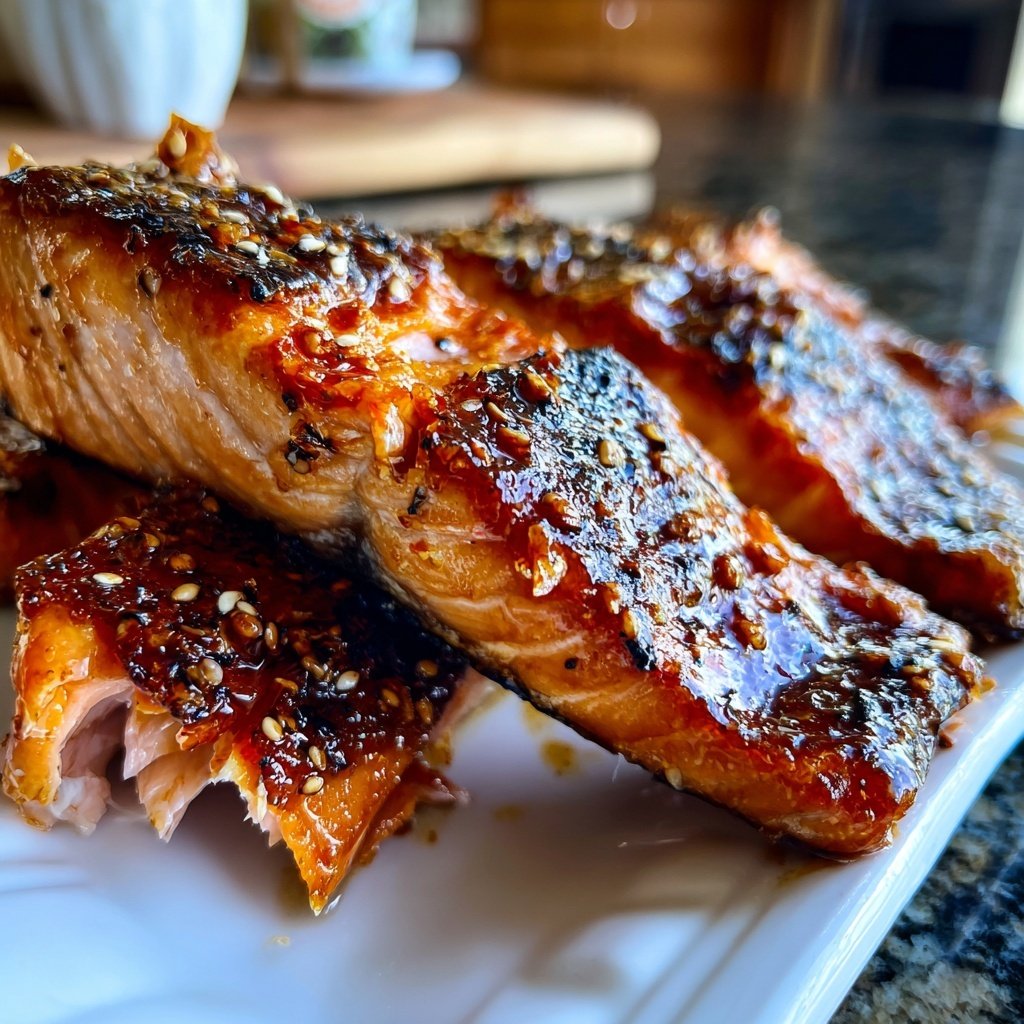
I absolutely adore Japanese cuisine, and this teriyaki salmon recipe stands out as one of my favorites. The combination of sweet and savory flavors creates a deliciously glossy glaze that is incredibly easy to make. By marinating the salmon in a homemade teriyaki sauce, I ensure that the fish absorbs all the delightful flavors. Whether I am cooking for friends or just enjoying a quiet dinner at home, this dish always impresses. Plus, it pairs beautifully with steamed rice and fresh vegetables, making for a complete meal that’s sure to please everyone.
During one of my culinary adventures, I decided to master the art of teriyaki sauce from scratch. I wanted to create a dish that was both flavorful and simple enough for any occasion. After several attempts, I discovered that marinating the salmon for a little longer truly elevates the flavors.
One key tip I've learned is to use high-quality soy sauce; it really makes a difference in the depth of the sauce. Now, with just a few ingredients, I can whip up this impressive dish that transports me straight to Japan with each bite.
Why You Will Love This Recipe
- Rich umami flavor of the teriyaki glaze
- Tender salmon that melts in your mouth
- Quick to prepare for any weeknight meal
Mastering the Teriyaki Glaze
The teriyaki marinade is the star of this dish, bringing a rich umami flavor that beautifully complements the salmon. The combination of soy sauce and mirin creates a savory depth, while the sugar adds a touch of sweetness. When whisking these ingredients, ensure the sugar is fully dissolved; this will help the marinade adhere to the salmon and form a glossy glaze during cooking. If you prefer a thicker sauce, consider simmering the marinade for a few minutes before using it as a glaze when cooking the salmon.
While traditional teriyaki sauce includes mirin, if it’s unavailable, a mixture of water and a splash of sugar can serve as a substitute. Alternatively, you can use a dry white wine or sake combined with a bit of honey to mimic that complex sweetness. Just keep in mind that these substitutions may slightly alter the flavor profile, so taste as you go!
Cooking the Salmon Perfectly
When cooking the salmon fillets, the key is to ensure even cooking. Start with the skin-side down; this helps to keep the fish moist while giving it a crispy texture. Don't rush the cooking; allow the salmon to sear properly for about 4-5 minutes before flipping it. Look for the edges to become golden and slightly crispy, which indicates that it’s developing flavor. A gentle touch will help you avoid breaking the fillets apart.
To check for doneness without cutting into the salmon, look for the flesh to turn opaque and flake easily with a fork. If you prefer your salmon less cooked, aim for an internal temperature of around 125°F for medium-rare. If you want to amp up the flavor, consider adding a splash of citrus juice—like lemon or lime—when flipping the fish. This enhances the teriyaki glaze and adds brightness.
Serving Suggestions and Variations
This teriyaki salmon pairs wonderfully with steamed rice, but don’t hesitate to get creative! Quinoa or cauliflower rice can offer a nutritious twist, while sautéed greens like bok choy or broccoli complement the dish beautifully. For a crunchier texture, add some roasted vegetables or a side salad to balance the rich flavors of the fish.
For those looking to add a personal touch, consider incorporating different spices or ingredients into the marinade. A dash of chili flakes can introduce a pleasant heat, or a bit of miso paste can deepen the savory complexity. Experimenting with various toppings like pickled ginger, cilantro, or even a drizzle of spicy mayo can elevate your dish and cater to different palates.
Ingredients
Ingredients
For the Teriyaki Marinade
- 1/2 cup soy sauce
- 1/4 cup mirin
- 2 tablespoons sugar
- 1 tablespoon rice vinegar
- 1 tablespoon grated ginger
- 2 cloves garlic, minced
For the Salmon
- 4 salmon fillets (about 6 oz each)
- 1 tablespoon sesame oil
- 2 green onions, sliced (for garnish)
- Sesame seeds (for garnish)
Instructions
Instructions
Prepare the Marinade
In a bowl, whisk together the soy sauce, mirin, sugar, rice vinegar, grated ginger, and minced garlic until the sugar dissolves.
Marinate the Salmon
Place the salmon fillets in a shallow dish and pour the teriyaki marinade over them. Let them marinate for at least 15 minutes.
Cook the Salmon
Heat the sesame oil in a large skillet over medium-high heat. Remove the salmon from the marinade (reserve the marinade) and place it skin-side down in the skillet. Cook for 4-5 minutes, then flip and cook for another 3-4 minutes.
Glaze the Salmon
Once the salmon is cooked, pour the reserved marinade into the skillet and allow it to bubble and thicken for about 1-2 minutes, coating the salmon.
Serve
Transfer the salmon to plates, drizzle with the teriyaki sauce, sprinkle with green onions and sesame seeds, and enjoy!
Pro Tips
- For an extra touch, serve the teriyaki salmon with steamed rice and a side of stir-fried vegetables for a complete meal.
Make-Ahead Tips
If you're planning to serve this teriyaki salmon on a busy weeknight, you can prepare the marinade a day in advance. Simply whisk all the marinade ingredients together and store it in the refrigerator. This method not only saves time but also allows the flavors to meld, enhancing the overall taste. Just give it a good stir before using it for marinating the salmon the next day.
For best results, marinate the salmon for at least 15 minutes, but for deeper flavor, consider letting it sit for up to two hours in the fridge. If you’re short on time, even a quick 15-minute soak will impart enough flavor. Just be cautious not to marinate for too long, as the acidity from the rice vinegar can break down the salmon’s proteins, resulting in a mushy texture.
Storage and Reheating
Leftover teriyaki salmon can be stored in an airtight container in the refrigerator for up to three days. When reheating, the oven is your best bet to maintain the delicate texture; preheat to 275°F and warm the salmon gently for 10-15 minutes. Microwaving can dry it out; if you prefer this method, do so in short intervals and cover with a damp paper towel to retain moisture.
You can also freeze marinated but uncooked salmon for up to three months. Simply place it in a freezer-safe bag with the marinade and remove as much air as possible before sealing. Thaw it overnight in the refrigerator before cooking to ensure even cooking and to prevent any textural issues.
Troubleshooting Common Issues
If you find that your salmon isn’t achieving that desired glossy glaze, it may be due to not reserving enough marinade for glazing or not allowing it to bubble long enough. Ensure you pour the reserved marinade into the skillet after cooking and let it simmer for a minute or two, which will help to reduce and thicken it for that perfect finish.
Should your salmon flake apart while cooking, it could be overcooked. Pay close attention to the cooking time and opt for lower heat if necessary, especially if you're using thicker fillets. If you're cooking multiple pieces, do so in batches instead of overcrowding the skillet to ensure even cooking and prevent steaming.
Questions About Recipes
→ Can I use frozen salmon for this recipe?
Yes, just make sure to thaw it completely before marinating.
→ How long can I marinate the salmon?
You can marinate the salmon for up to 1 hour for more intense flavor, but 15 minutes is sufficient.
→ What can I substitute for mirin?
You can use a mixture of sake and sugar, or even apple cider vinegar as a substitute.
→ Is this dish gluten-free?
You can make it gluten-free by using tamari instead of soy sauce.
Global Flavors Japanese Teriyaki Salmon
What You'll Need
For the Teriyaki Marinade
- 1/2 cup soy sauce
- 1/4 cup mirin
- 2 tablespoons sugar
- 1 tablespoon rice vinegar
- 1 tablespoon grated ginger
- 2 cloves garlic, minced
For the Salmon
- 4 salmon fillets (about 6 oz each)
- 1 tablespoon sesame oil
- 2 green onions, sliced (for garnish)
- Sesame seeds (for garnish)
How-To Steps
In a bowl, whisk together the soy sauce, mirin, sugar, rice vinegar, grated ginger, and minced garlic until the sugar dissolves.
Place the salmon fillets in a shallow dish and pour the teriyaki marinade over them. Let them marinate for at least 15 minutes.
Heat the sesame oil in a large skillet over medium-high heat. Remove the salmon from the marinade (reserve the marinade) and place it skin-side down in the skillet. Cook for 4-5 minutes, then flip and cook for another 3-4 minutes.
Once the salmon is cooked, pour the reserved marinade into the skillet and allow it to bubble and thicken for about 1-2 minutes, coating the salmon.
Transfer the salmon to plates, drizzle with the teriyaki sauce, sprinkle with green onions and sesame seeds, and enjoy!
Extra Tips
- For an extra touch, serve the teriyaki salmon with steamed rice and a side of stir-fried vegetables for a complete meal.
Nutritional Breakdown (Per Serving)
- Calories: 380 kcal
- Total Fat: 26g
- Saturated Fat: 15g
- Cholesterol: 195mg
- Sodium: 85mg
- Total Carbohydrates: 32g
- Dietary Fiber: 3g
- Sugars: 24g
- Protein: 6g